


When poor data becomes an operational problem
A critical piece of equipment fails, the maintenance team raises a work order and requests a replacement part. The ERP system shows the part in stock, yet Stores cannot locate it on the shelf. Procurement, in turn, cannot establish whether the part was ever ordered or received. Production stands idle while three teams chase the same answer.
Most organisations file this issue under maintenance, inventory or procurement. In reality, it is a data integrity failure. The information driving operational decisions no longer reflects physical reality.
Understanding Data Integrity
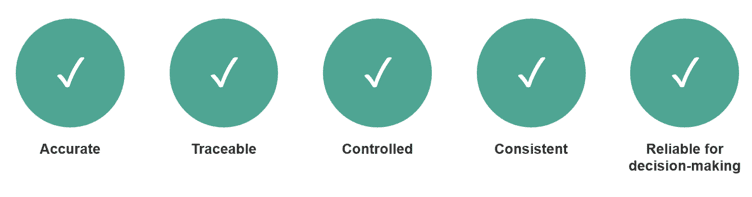
Data integrity is the ability to trust information throughout its lifecycle. Data remains accurate, traceable, controlled and reliable for decision-making an unlike data quality, which reflects how correct information is at a point in time, data integrity focuses on maintaining that trust over time.
When the System and Reality Don’t Match
Mining operations depend on thousands of Asset Management decisions being made every day:
- What equipment is available?
- What spares are in stock?
- Which assets need to be booked for service?
- What stock should be re-ordered?
- Which components should be replaced instead of another refurbishment?
Every one of these decisions relies on data.
When organisations overlook dedicated material master data integration, asset records remain incomplete, descriptions drift out of alignment, and inventory visibility deteriorates. Organisations then lose confidence in the very information built to support their decisions.
The result is often familiar:
- Assets miss scheduled servicing because the performance data driving those schedules is inaccurate.
- Spare parts are purchased while equivalent stock sits idle elsewhere in the business.
- Excess inventory accumulates.
- Emergency purchases increase.
- Maintenance teams struggle to find the right components when they need them most.
The cost often remains hidden until someone looks closely.
What We Found
Poor data integrity drives measurable losses across procurement spend, inventory and uptime. A recent inventory analysis put a figure on it.
Across two sites, we found R31 million of inventory value tied up in non-moving stock. The concentration of that value proved more revealing than the total. Only 25 material items accounted for approximately 75% of the non-moving inventory value.
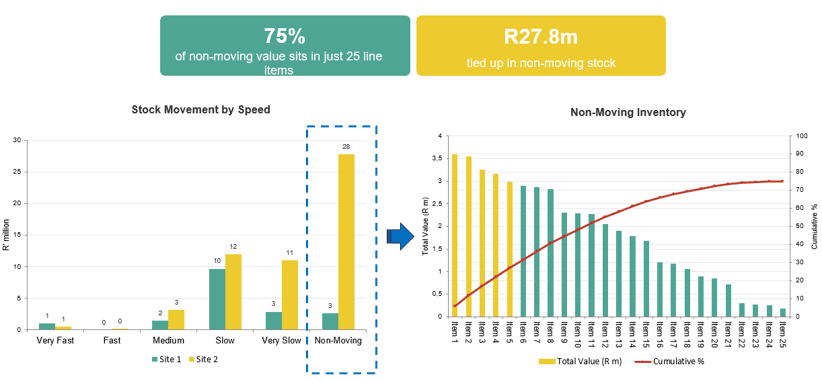
The problem was not excess stock. Nobody could establish what the stock was, where it sat, or whether it was still needed.
Inventory then continues to grow while the value already on site remains locked away.
How Data Integrity Breaks Down
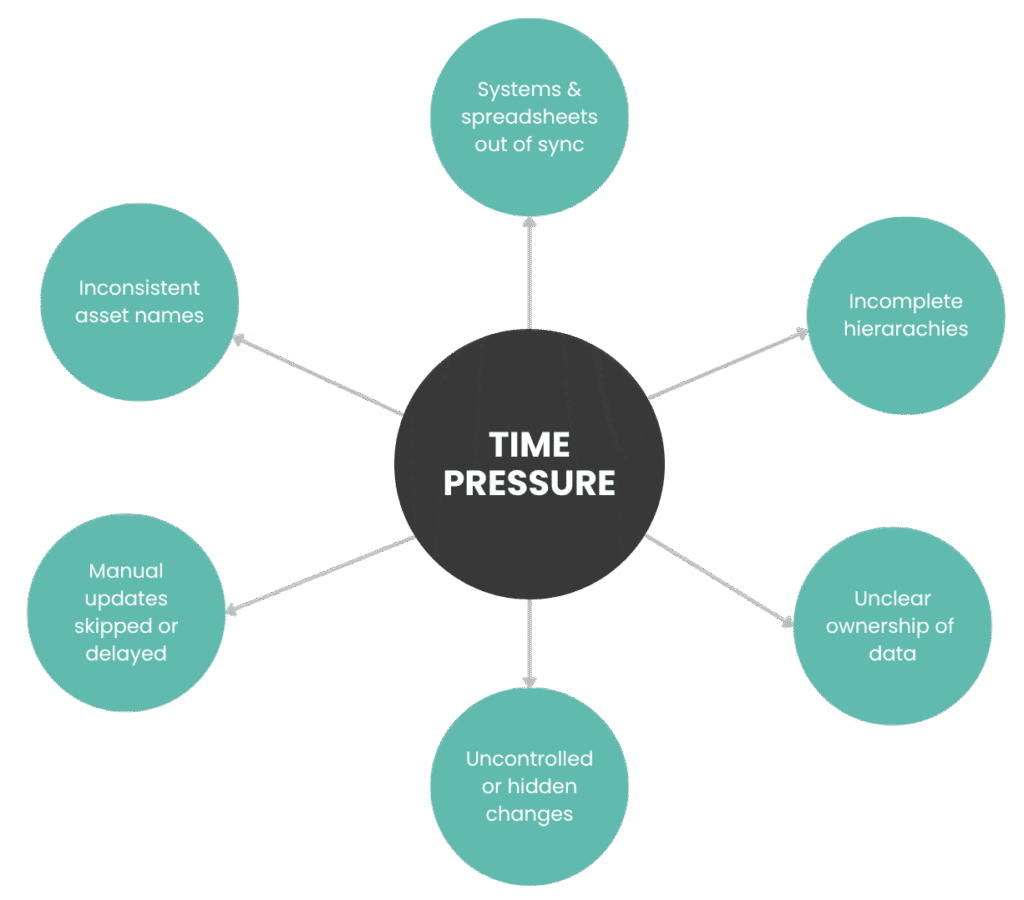
Data integrity rarely fails in a single event. It erodes under everyday pressure, and when left unmanaged, small inconsistencies compound until system data and physical stock no longer agree. Over time, these seemingly minor issues transform reliable information into operational risk.
Why It Matters
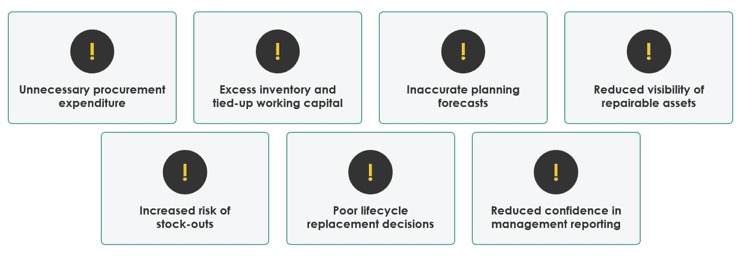
In mining environments where critical equipment availability directly affects production, these impacts carry straight through to output. The challenge is no longer managing assets. The challenge becomes managing uncertainty.
Using Data Analytics to Identify Integrity Gaps
Finding data integrity issues manually across thousands of material records is impractical. Analytics and AI-assisted material intelligence close that gap.
Modern tools can rapidly identify potential:
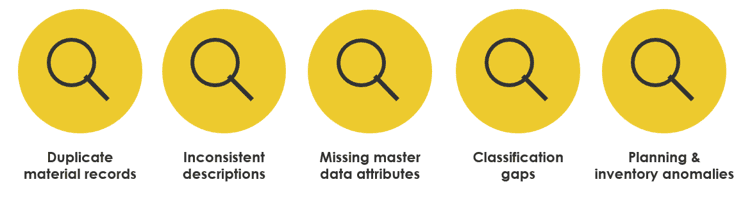
These tools do not replace governance or operational expertise. Lasting improvement still comes from governance, accountability and consistent data management practices. What the tools provide is direction: they show where the largest problems sit, so improvement effort goes to the right place first.
Trust Starts with Data
Mining companies invest significant effort into improving equipment reliability, productivity and operational performance. All of those initiatives depend on one thing:
Reliable information.
Data integrity creates the connection between physical assets, business systems and decision-making. Without it, organisations risk purchasing what they already own, storing what they do not need, and making decisions based on incomplete information.
With it, they gain visibility, control and confidence.
Data integrity is not an IT issue, it is an operational and financial issue. When organisations can trust their data, they can trust their decisions.
Contact Integrove to support you in formulating the strategy to rectify Data Management endeavors.
